

Sofa & Sectional Buying Guide
A step-by-step framework to pick the right sofa or sectional without getting lost in features.
Your Sofa Decision Framework
Buying a sofa or sectional is one of the biggest furniture decisions you’ll make. This guide walks you through the 10 decisions that matter most—from room measurements and lifestyle fit to construction details and material selection. Each step builds on the last so you arrive at a confident choice.
Use the tabs below to work through each stage at your own pace, then explore our recommended brands at the bottom.
Step by Step
The Decisions That Matter
Start with the room, not the sofa. Grab a tape measure and sketch your floor plan. Note the room dimensions (length and width), window and door locations, traffic paths from entry to kitchen, and any architectural features like fireplaces or built-ins.
Measure your entry path too: doorway widths and heights, hallway turns, stair widths, and any tight landings. Many beautiful sofas have been turned away at the front door because nobody checked.
- Plan 18–24 inches of clearance for main walkways around the piece.
- For sectionals, note max length on each wall and chaise depth into the room.
- If you have kids or pets, think about fabrics that handle daily life—we cover that in the Materials tab.
- Consider how you actually use the room: TV watching, reading, hosting, napping. A movie-night household needs different seating than a formal living room.
Key Takeaway: The #1 mistake is skipping measurements. Bring room dimensions and entry path widths before you shop.
Braden’s tip: Bring room dimensions and a few photos when you visit. We’ll help you dial in scale, layout, and traffic flow before you sit on a single cushion. Schedule a consultation to get started.
Sofa vs. sectional, and which configuration? Map your primary walkways first—don’t block the natural path from entry to seating to kitchen. Then decide on shape:
- Chaise sectional: Best if you want one great lounging seat. Confirm left-arm vs. right-arm orientation while facing the piece.
- L-shape: Good for corner placement and moderate hosting.
- U-shape: Ideal for large rooms and face-to-face conversation when you entertain.
- Standard sofa: Often the right call for smaller rooms or formal spaces.
Seat depth and height matter more than you think. If you’re tall or love lounging, you’ll usually prefer deeper seats (22–26 inches). If you like upright posture, go shallower (20–22 inches). Higher seat height (18–20 inches) feels better for knees and hips; lower seats feel modern but can be harder to rise from.
Try it with shoes off and sit all the way back—you’ll feel quickly whether the lumbar support is right. Arm height matters too, especially if you nap on the sofa or use it for reading.
Key Takeaway: Sit for 10+ minutes in your real positions (reading, TV, napping) before committing. Two minutes tells you nothing.
Ask us: “Can I test different seat depths on this frame?” Many of our custom programs allow adjustments.
This is where long-term durability lives. The parts you can’t see—frame, suspension, and cushion core—determine whether your sofa looks great in year one or year fifteen.
Frame: Look for kiln-dried hardwood with robust joinery. Softer woods and stapled joints are where cost gets cut first. Corner blocks and reinforced stress points add structural life.
Suspension:
- Eight-way hand-tied springs use individually tied coils for even, durable support. It’s labor-intensive and a hallmark of premium construction.
- Sinuous springs (S-springs) use continuous wire arcs. Quality varies widely—heavier gauge wire and secure frame attachment are key.
Cushions: Ask about foam density and resiliency. HR (High Resilience) foams hold shape far longer than low-density alternatives. Down-blend wraps feel plush but need regular fluffing. A good test: sit in the same spot for 5–10 minutes and see if you bottom out.
Key Takeaway: Ask three questions: What’s the frame made of? What’s the spring system? What’s the cushion core? If a retailer can’t answer clearly, that’s a red flag.
Ask us: “What’s the frame, spring system, and cushion core on this piece?”
Choose materials that match how you live. The right fabric or leather can make a sofa last beautifully for years; the wrong choice leads to frustration.
Fabric vs. leather:
- Leather develops character over time and is easy to wipe clean. Protected and semi-aniline leathers are the most practical for families.
- Performance fabrics are engineered for stain resistance and durability—ideal for kids and pets. Look for tight weaves, mid-tone heathered patterns, and avoid delicate loops if you have cats.
- Natural textiles (cotton, linen, wool) breathe well but may need more care.
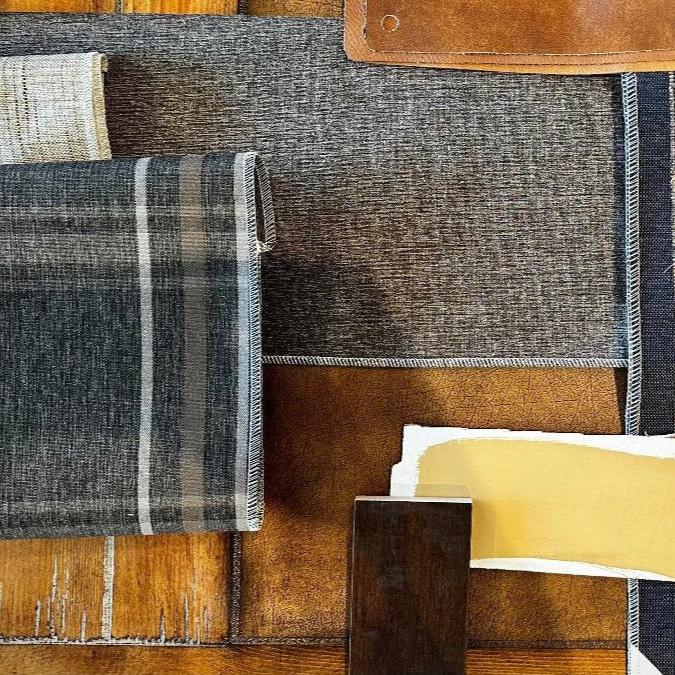
Color strategy: Order swatches and test them under your home lighting—day vs. night can change everything. If you want flexibility long-term, keep bold color in pillows and accessories, not the sofa itself.
Style: Arms, legs, and silhouette set the tone. Clean track arms feel modern; rolled arms feel traditional. Exposed wood legs add warmth; skirted bases soften the look.
Key Takeaway: Always order swatches and test under your home lighting before committing to a fabric or leather.
Ask us: “Which performance fabrics work best for my lifestyle?” We’ll help you order the right swatches.
Plan ahead, especially for custom. Many of the best sofas are made-to-order—you’re choosing the exact fabric, configuration, and sometimes cushion feel. That means production scheduling drives lead time more than shipping.
- Custom orders: Lead times vary by maker and season. If you need a specific size, configuration, or performance fabric, custom is almost always worth the wait.
- In-stock / quick-ship: Best when timing is the priority and standard sizes work for your room. Quick-ship is often tied to specific fabrics and finishes.
- Delivery: Clear the entry path, confirm doorway widths, and inspect the piece at delivery. Take photos of any issues right away.
Protect the investment:
- Ask about warranty coverage—focus on frame, suspension, and mechanisms.
- Rotate and fluff cushions regularly (especially down-blend).
- Keep leather 12–18 inches from heat sources. Use manufacturer-recommended cleaners.
- For fabric, blot spills quickly and follow care instructions from day one.
Key Takeaway: Custom is almost always worth the wait for the right fit. Ask about lead times early so you can plan.
Ask us: “What’s the lead time, and what warranty coverage comes with this piece?”
Built for How You Live
The best sofa isn’t the one with the most features—it’s the one that fits your room, matches your lifestyle, and holds up for the long haul.
Every household is different. That’s why we carry sofas from makers who offer real customization—fabric, configuration, seat depth, and cushion feel—so you’re not settling for ‘close enough.’
Not Sure Which Material?
Answer a few quick questions and we’ll point you in the right direction.Our Picks
Brands to Explore
Rowe Furniture
Made-to-order upholstery with a strong sustainability story through their Eco Rowe program. Great for ‘I want it my way’ upholstery: silhouette + fabric + comfort options.
Best for: custom upholstery, performance fabric households, buyers who want a sustainability story.
Shop RoweKing Hickory
Bench-built upholstery with eight-way hand-tied foundations on many styles. A ‘workhorse luxury’ line—especially strong for custom sectionals.
Best for: custom sectionals, American-made upholstery, buyers who want long-wearing seat support.
Shop King HickorySherrill
North Carolina custom upholstery blending hand craftsmanship and modern manufacturing. If you want a sofa that feels ‘tailored,’ Sherrill is often the right direction.
Best for: custom upholstery, tailored silhouettes, designer-driven builds.
Shop SherrillSmith Brothers of Berne
American-made custom upholstery with quality component sourcing—hardwood maple frames, steel coil springs, and high-quality foam. Solid bones, lots of choice.
Best for: custom sofas, mid-to-high-end upholstered seating, buyers who want lots of fabric choices.
Shop Smith Brothers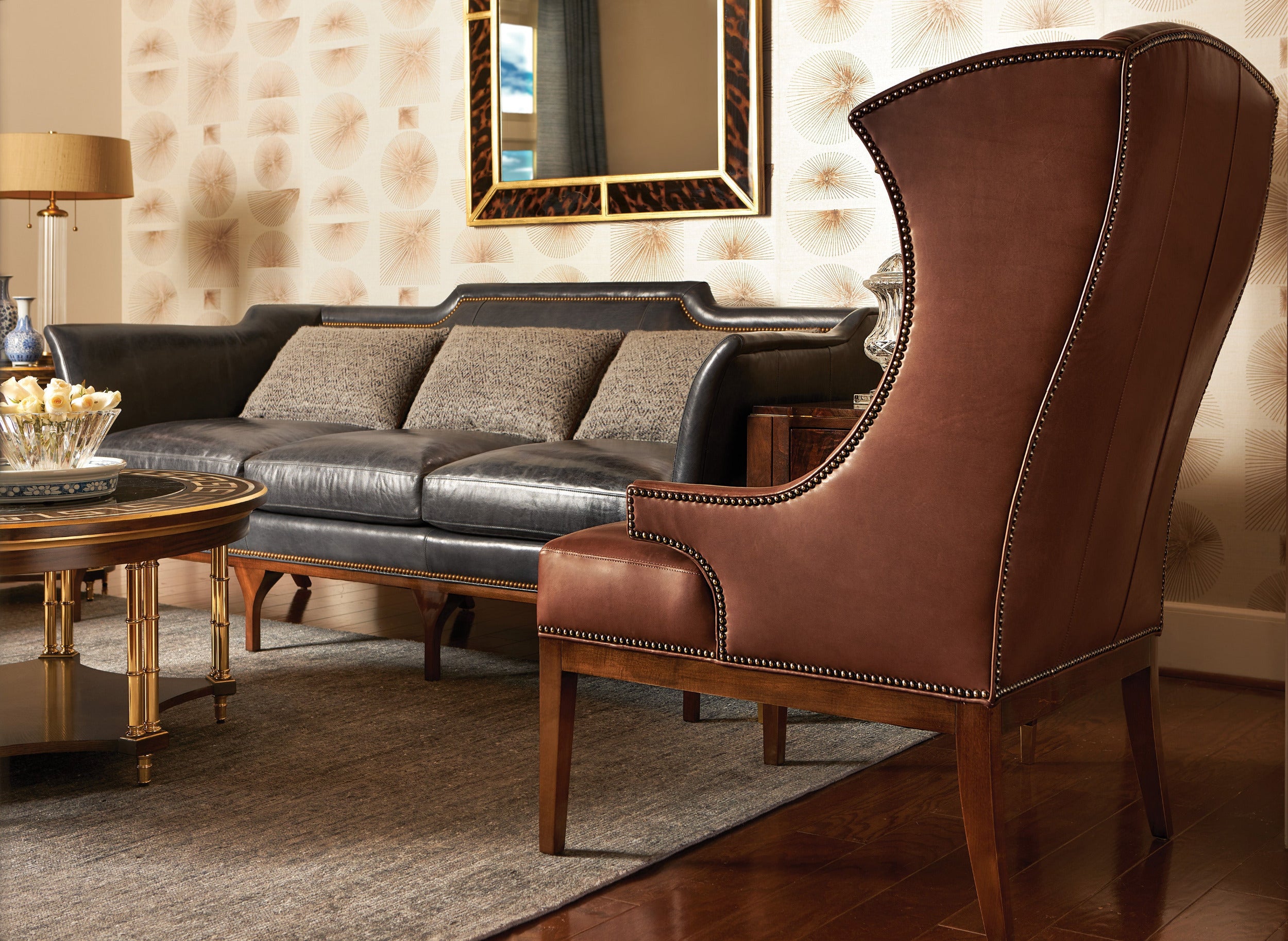
Hancock & Moore
High-end leather seating with time-intensive build methods. Double-doweled corners, eight-way hand-tied coil construction, and Qualux cushion cores. If leather is the star of the room, start here.
Best for: premium leather seating, classic silhouettes with deep comfort, buyers prioritizing craftsmanship.
Shop Hancock & MooreWhat’s the difference between eight-way hand-tied and sinuous springs?
Eight-way hand-tied uses individually tied coils; sinuous springs use continuous wire arcs. Both can be good—execution matters.
What to Know
- Eight-way hand-tied is labor-intensive and can deliver durable, even support when done well.
- Sinuous spring systems vary widely; heavier gauge wire and good frame attachment are key.
- The cushion and frame still matter: a great spring system won’t fix low-quality foam or a weak frame.
- If you want the ‘traditional high-end’ foundation, ask which of our lines specify eight-way hand-tied.
Braden’s Take: We’ll flip a cushion and show you the difference between spring systems on our showroom floor. Seeing it in person settles this question faster than any article.
Brands to explore: Hancock & Moore, King Hickory, Stressless / Ekornes
Why do some sofas feel great in the showroom but sag at home?
Usually it’s foam quality and wrap choice. Low-density foam and cheap fiber wraps compress quickly.
What to Know
- Ask about foam density/resiliency (HR foams hold shape better).
- Down-blend and fiber wraps feel plush but need regular ‘fluffing’ to look tailored.
- Seat depth and posture matter: deep seats with soft cushions can feel like you’re sliding forward.
- A good test: sit in the same spot for 5–10 minutes and see if you bottom out.
Braden’s Take: We encourage long sit tests in our showrooms—grab a magazine and settle in for 10 minutes. That’s how you’ll know whether the cushion holds up or bottoms out.
Brands to explore: Hancock & Moore, Smith Brothers of Berne
What’s the best upholstery fabric for kids and pets?
Look for high durability (double rubs), tight weaves, and stain-resistant performance fabrics; pick texture that won’t snag.
What to Know
- Tight weaves and subtle texture typically outperform loose weaves and delicate loops.
- If you have cats, avoid heavy loops (snag risk) and consider smooth performance fabrics or leather.
- Choose mid-tone, heathered patterns to hide daily life without looking dirty.
- Order swatches: performance varies by fiber content and finish, not just marketing labels.
Braden’s Take: Tell us what your household actually looks like—kids, dogs, cats, red wine habits—and we’ll pull the performance fabric swatches that make sense. No judgment, just practical picks.
Brands to explore: Rowe Furniture
Why is one sofa $2,500 and another $8,500?
Price differences usually come down to the hidden structure: frame, suspension, cushion build, tailoring time, and material quality (fabric/leather).
What to Know
- Frame: kiln-dried hardwood with robust joinery generally outlasts softer woods and stapled joints.
- Suspension: higher-end foundations (e.g., eight-way hand-tied in some makers) are labor-intensive and durable.
- Cushions: higher-resilience foams and better wraps hold shape longer; cheap foam flattens fast.
- Tailoring: pattern matching, hand-cut leather, and detailed trim drive labor hours.
- Warranty + service + replacement parts matter when you plan to keep the piece 10–20 years.
Braden’s Take: We carry sofas at multiple price points and we’re happy to show you exactly where the money goes. Understanding the ‘why’ behind price helps you decide what’s worth it for your situation.
Brands to explore: Hancock & Moore, King Hickory, Rowe Furniture
Ready to Find Your Sofa?
Bring your room dimensions and a few photos to our Knoxville or Maryville showroom. We’ll narrow the field by layout, lifestyle, and budget—then you can sit in everything that makes the short list.

Est in 1956
With nearly seven decades of experience, we’ve built our name on craftsmanship, care, and a deep understanding of what makes a house feel like home.

Designed for Life
We choose every piece for its lasting quality, timeless style, and ability to bring comfort and character to everyday living.

People first, always
From the way we design to the way we serve, we put people at the heart of everything we do.