

Outdoor Furniture Materials Guide
Aluminum, teak, wicker, sling, and more — understand outdoor materials so your investment holds up season after season.
Built for Real Weather
Outdoor furniture faces sun, rain, humidity, and temperature swings that indoor pieces never see. This guide walks you through metal frames, woven and specialty surfaces (resin wicker, sling, rope), finishes and coating processes, cushion construction, fabric technologies, and seasonal care — so you can invest in pieces that look great for years, not just one summer.
Use the tabs below to compare materials, then try the decision tool to find your best fit.
Outdoor Living, Done Right
Quality outdoor furniture isn’t an expense—it’s a decade-long investment in how you enjoy your home.
East Tennessee’s climate is tough on cheap outdoor furniture but fair to quality materials. We’ll help you pick pieces that match your patio setup and maintenance willingness.
Structural Materials
Frames, Surfaces & Finishes
The frame is the backbone of outdoor furniture. Metal frames dominate premium outdoor collections because they handle weather, weight, and time better than most alternatives. But not all aluminum or iron is the same — quality varies widely.
- Wrought aluminum: Lightweight, rust-proof, and the workhorse of quality outdoor furniture. The best wrought aluminum frames use thick-gauge tubing with internal supports for rigidity. Brands like Summer Classics add a triple-layer finish — powder coat, dry coat, and clear polyurethane topcoat — that holds color and resists chipping for years.
- Cast aluminum: Heavier and more ornate than wrought. Quality cast aluminum starts with virgin aluminum (not recycled scrap) poured into vacuum-sealed molds for consistent density. Look for thick walls and smooth casting — rough edges signal corners cut in production.
- Wrought iron / steel: The heaviest option. Wrought iron develops character but needs periodic touch-ups to prevent rust. Steel is similar but often more affordable. Both are excellent for windy locations where weight is a feature, not a bug.
For most Tennessee outdoor spaces, powder-coated aluminum offers the best balance of durability and low maintenance. Iron is ideal if you want heft and classic styling and don’t mind seasonal upkeep.
Key Takeaway: Look for thick-gauge aluminum with multi-layer finishes. Cast aluminum should use virgin material and vacuum-sealed molds.
Ask us: “Which frame material makes sense for my patio setup and how much upkeep am I signing up for?”
Woven and tensioned seating materials have expanded well beyond basic resin wicker. Today’s best outdoor brands offer three distinct approaches — each with different looks, comfort profiles, and maintenance needs.
Resin wicker:
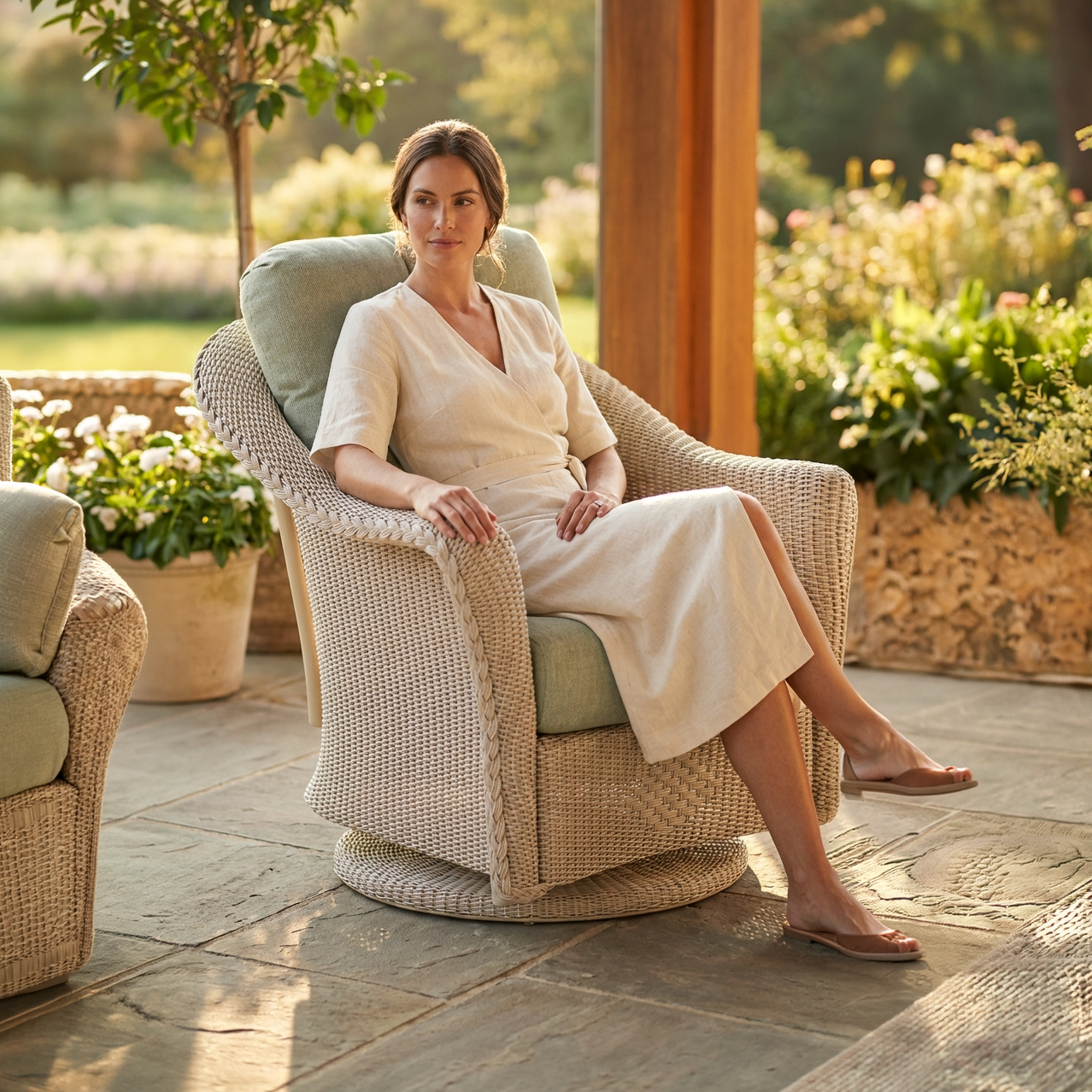
- Quality resin wicker has UV resistance built into the fiber itself, not applied as a surface coating. Summer Classics’ N-Dura™ resin wicker is tested to 4,000+ hours of UV exposure and uses multi-tonal color blending for a more natural look.
- Look for HDPE (high-density polyethylene) fibers hand-woven over powder-coated aluminum frames. Tighter, denser weaves hold up better — loose weaves sag and unravel. Brands like Woodard and Lloyd Flanders are benchmarks here.
Olefin rope:
- Solution-dyed synthetic rope that’s naturally resistant to fading, staining, and mildew. The weave creates an open, airy look that suits modern and transitional designs. Rope dries quickly and stays cool to the touch — a plus in direct sun.
Performance sling:
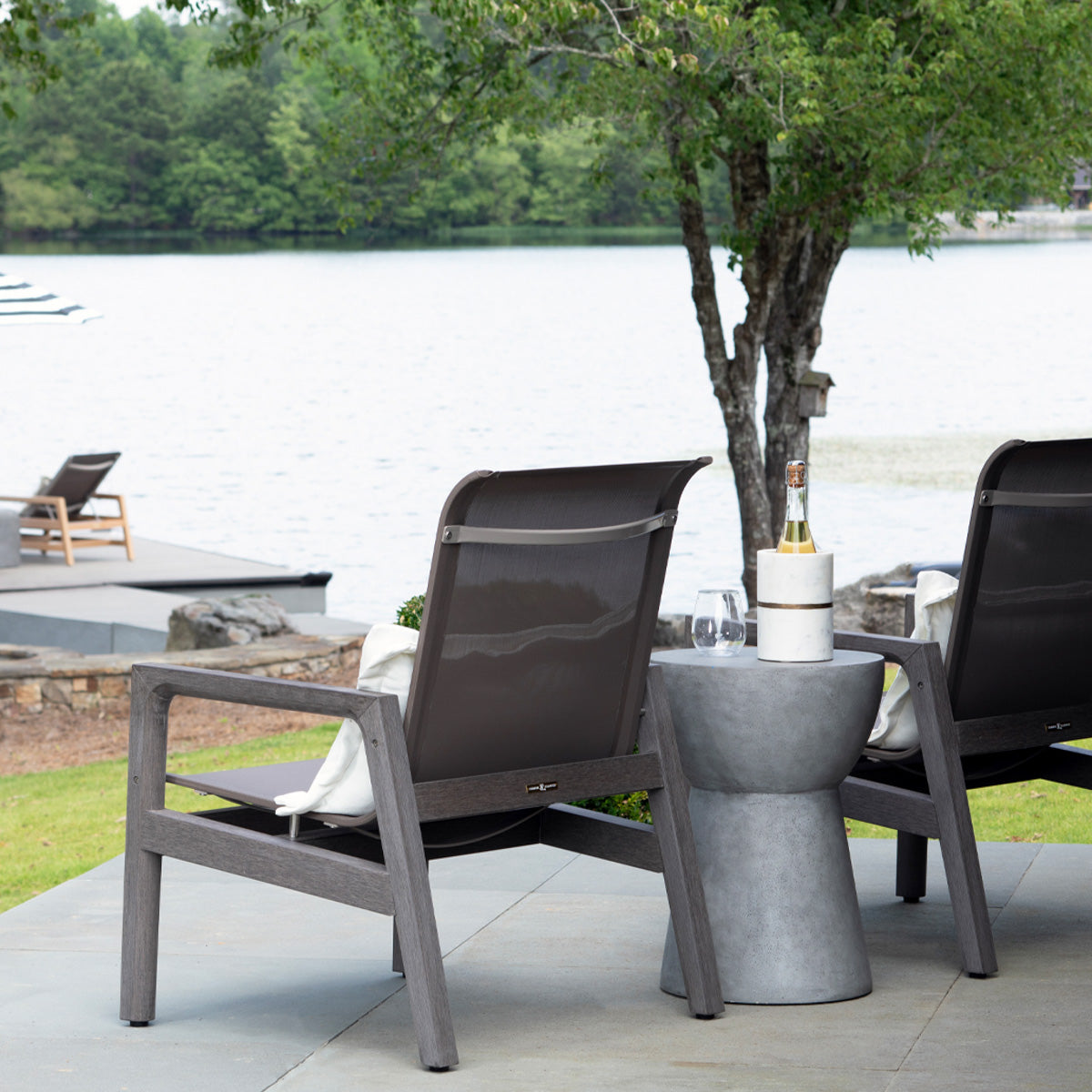
- Tensioned mesh fabric (often Batyline® by Serge Ferrari) stretched across an aluminum frame. Sling seating is the fastest-drying option — water passes straight through. Quality sling carries OEKO-TEX and Greenguard Gold certifications, and lasts roughly twice as long as standard mesh.
- Sling seating needs no cushions at all, which eliminates fabric care and storage entirely. It’s the lowest-maintenance seated comfort available outdoors.
Key Takeaway: Resin wicker for warmth and texture, rope for modern airiness, sling for zero-cushion simplicity. All three are low maintenance when quality materials are used.
Ask us: “What’s the UV rating on this woven material, and is it hand-woven or machine-woven?”
Teak has been the gold standard in outdoor wood for decades — but modern resin alternatives now offer the same look without the upkeep.
Grade A teak:
- Sourced from mature Indonesian plantations, Grade A teak has the highest concentration of natural oils and the densest grain. Those oils are what make teak naturally resistant to rot, insects, and moisture — no chemical treatment needed.
- Left alone, teak weathers to an even silver-gray patina. If you prefer the warm honey tone, plan on cleaning and oiling two to three times per year. Both paths are structurally sound — the choice is purely aesthetic.
- Look for kiln-dried, plantation-grown teak. Avoid “Grade B” or “Grade C” teak, which comes from younger trees with less oil content and weaker grain.
N-Dura™ resin wood:
- Summer Classics’ engineered alternative to natural teak. N-Dura™ resin wood mimics the look and hand-feel of real teak but with UV inhibitors and stabilizers built into the material — no oiling, no sealing, no weathering.
- It’s rated for coastal environments where salt air accelerates the aging of natural wood. If you love the teak aesthetic but not the upkeep, this is the practical alternative.
Key Takeaway: Grade A teak is unmatched in natural beauty and longevity — if you’re willing to maintain it. N-Dura™ resin wood delivers the look without the routine.
Ask us: “Can I see teak and resin wood side by side? The difference is smaller than you’d expect.”
The finish on outdoor metal furniture is what stands between the frame and the elements. Powder coat is the industry standard — but the process behind it determines whether your finish lasts one year or ten.
What separates good from great:
- Pre-treatment matters most. The best manufacturers start with a nano ceramic pre-wash (like NT-1) that chemically bonds to the metal surface before any coating is applied. This creates a foundation that resists corrosion even if the topcoat is scratched. Without proper pre-treatment, powder coat is just paint on bare metal.
- Multi-layer finishing: Architectural-grade processes apply three or more layers — typically a powder coat base, a dry coat for color depth, and a clear polyurethane topcoat for UV and scratch resistance. This is what gives premium outdoor furniture 3+ years of color vibrancy in direct sun.
- Curing temperature: Proper powder coat is baked at 400°F+ to fuse with the metal. Under-cured finishes chip and peel; well-cured finishes flex with the frame.
What damages finishes:
- Abrasive dirt and grit are the biggest enemies — rinse furniture periodically to prevent buildup that grinds through the topcoat.
- Dragging furniture on concrete or stone scratches through finish layers.
- Harsh chemical cleaners (especially bleach-heavy mixes) break down protective coatings.
- Salt air accelerates corrosion at any point where the finish is compromised.
Key Takeaway: Ask about the pre-treatment and number of finish layers — not just the color. A three-layer architectural finish outlasts a single-coat powder coat by years.
Ask us: “What finish warranty comes with this collection, and do you carry touch-up options?”
Some outdoor settings call for materials beyond metal, wood, and woven fiber. Tables, pool decks, and coastal installations often benefit from surfaces engineered for specific conditions.
Cast stone:
- Made from crushed Philippine stone bound with a weather-resistant resin. Cast stone tabletops are heavier than aluminum and cooler to the touch — qualities that suit outdoor dining. The material won’t crack from temperature swings the way natural stone sometimes can, and it resists staining from food and drink.
Marine-grade fiberglass (Plateau):
- A 3/4-inch OSB core wrapped in a 1/8-inch fiberglass shell — the same construction used in boat hulls. Plateau tabletops are waterproof, UV-stable, and virtually indestructible in outdoor conditions. A smart choice for pool areas, coastal homes, or anywhere that sees heavy use and regular hosing down.
Marine-grade vinyl:
- Originally developed for boat seating, marine vinyl delivers a leather-like look and feel while shrugging off UV exposure, water, and salt. It cleans with a damp cloth and doesn’t absorb moisture. Ideal for bar stools, built-in benches, and pieces near pools or hot tubs.
Key Takeaway: Specialty surfaces solve specific problems — cast stone for dining tables, fiberglass for pool areas, vinyl for wet zones. Match the surface to the setting.
Ask us: “Which tabletop or seating material makes sense for where this piece will live?”
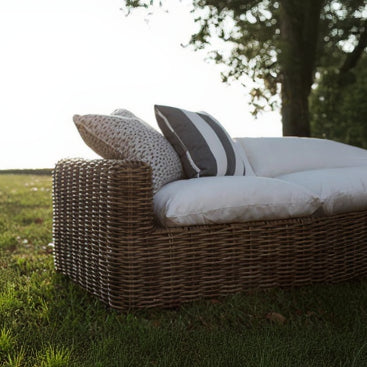
What’s Inside the Cushion Matters
You’ve picked the right frame and finish — now make sure the comfort layer holds up just as well.
Cushion foam, fabric technology, and care habits determine whether your outdoor furniture stays inviting or becomes something you avoid sitting on. Here’s what to look for inside and out.
Comfort & Longevity
Cushions, Fabrics & Maintenance
A beautiful frame with a bad cushion is outdoor furniture you’ll stop sitting on. Cushion construction determines comfort, longevity, and how much maintenance you sign up for.
Standard outdoor foam:
- Open-cell polyurethane wrapped in polyester fiber. Comfortable initially but absorbs water, compresses over time, and needs to be stored or flipped regularly. This is what you’ll find in most mid-range outdoor furniture.
Quick-dry foam:
- Reticulated (open-pore) foam that lets water drain through instead of being absorbed. It dries in hours rather than days and resists mold and mildew. Summer Classics’ N-Dura™ built-in cushions use this foam in pieces where the seat is integrated into the frame — the entire seat is designed to handle rain without removal.
Dream Cushion™:
- Summer Classics’ premium cushion system: a waterproof, UV-resistant outer cover wraps a memory foam pillow top over a quick-dry foam core. Double zippers on the bottom allow water to escape and air to circulate. The construction is specifically engineered to resist “pancaking” — the gradual flattening that plagues standard outdoor cushions after a couple of seasons.
- If comfort is a priority and you don’t want to haul cushions indoors every time rain threatens, Dream Cushion™ is the benchmark.
Key Takeaway: Quick-dry foam is the minimum for outdoor cushions. Dream Cushion™ adds memory foam comfort and drainage engineering for a leave-it-outside experience.
Ask us: “What cushion core comes standard with this collection, and can I upgrade?”
Outdoor cushion fabric matters as much as the frame. The right fabric resists fading, repels water, and dries quickly. The wrong fabric mildews, fades, and falls apart.
Solution-dyed acrylics (Sunbrella®):
- The industry standard for outdoor performance. “Solution-dyed” means color is added to the fiber as liquid — the pigment goes all the way through, not just on the surface. This is why quality outdoor fabrics resist fading far longer than indoor fabrics used outside.
- Summer Classics’ Colores program offers 80%+ exclusive patterns in Sunbrella® solution-dyed acrylics — designs you won’t find at every other outdoor furniture retailer.
Recycled performance fabric (Drift):
- Summer Classics’ Drift collection is made with yarn from the Seaqual Initiative — ocean plastic recovered from waterways and coastlines, spun into performance outdoor fabric. Same durability and fade resistance as standard Sunbrella®, with a measurably smaller environmental footprint.
Sunbrella® strap:
- Reinforced woven straps with integrated stretch and anti-sag engineering. Used in place of traditional sling on dining chairs and loungers where you want a bit more give without cushions. Strap seating bridges the gap between rigid sling and full cushion comfort.
UV resistance and warranties:
- Even among performance fabrics, UV ratings vary. Ask about the specific fade warranty — premium Sunbrella® fabrics typically carry 5-year fade warranties, but the actual lifespan with proper care is often 8–10 years.
Key Takeaway: Solution-dyed acrylic is non-negotiable for outdoor cushions. Colores gives you exclusive patterns; Drift gives you sustainability without sacrificing performance.
Ask us: “What fabric options are available for this collection, and can I see the Colores exclusives?”
Treat outdoor furniture like a material system: frame + finish + fabric + storage habits. A little seasonal maintenance goes a long way — and the new generation of materials makes the routine simpler than ever.
Routine care (monthly during season):
- Rinse pollen, dirt, and salt periodically — abrasive grit is what grinds through finishes over time.
- Use manufacturer-approved cleaners. Avoid strong bleach mixes unless the maker specifically recommends them.
- Wipe down marine vinyl with a damp cloth and mild soap. Avoid alcohol-based cleaners that dry out the material.
- Brush debris from rope and sling weaves — a soft brush keeps grit from embedding in the fibers.
Seasonal care (spring and fall):
- Store standard cushions indoors or in a dry space during extended wet seasons. Quick-dry and Dream Cushion™ seats can stay out but will last longer under breathable covers.
- Use breathable covers for frames during long idle periods. Airtight covers trap moisture and cause more problems than they solve.
- For teak: clean with a teak-specific cleaner and decide whether to oil (to maintain color) or let it weather naturally. Resin wood (N-Dura™) needs only a rinse.
- For metal: inspect for chips in the powder coat and touch up before they spread. A touch-up pen is the single best investment for extending a metal frame’s life.
- For cast stone and fiberglass: rinse and inspect for hairline cracks at joints. Both are highly durable but benefit from annual attention.
Tighten hardware annually and check glides and feet to prevent wobble and frame stress. This takes five minutes and prevents problems that shorten furniture life by years.
Key Takeaway: A simple fall and spring routine — rinse, inspect, tighten, cover — adds years to your outdoor investment. The better the materials, the lighter the routine.
Ask us: “What’s the recommended care schedule for this collection?” We’ll give you a straightforward maintenance plan.
Deeper Dives
Care Guides
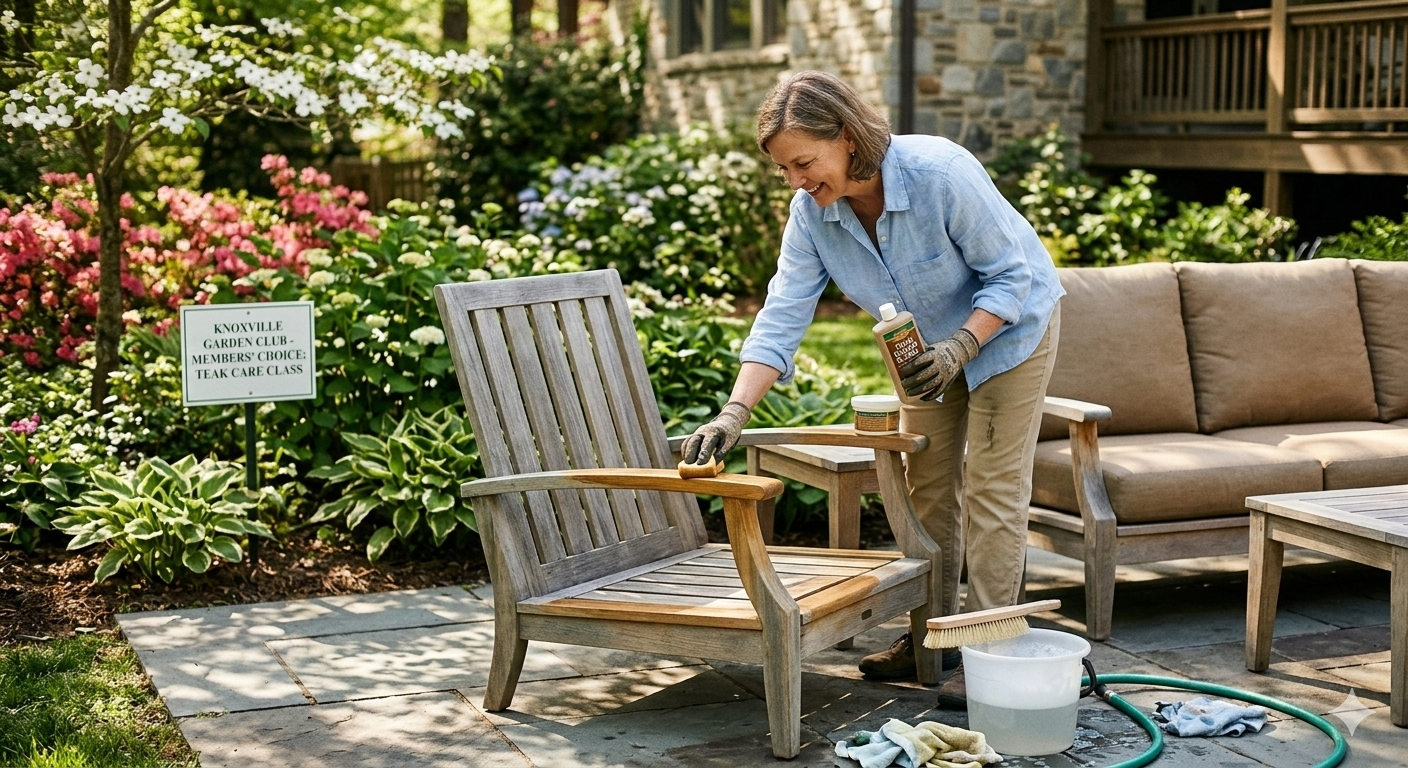
Teak Care Guide
Learn how to clean, oil, and maintain teak outdoor furniture season after season. Covers routine care, seasonal schedules, and when to let teak weather naturally.
Read the Guide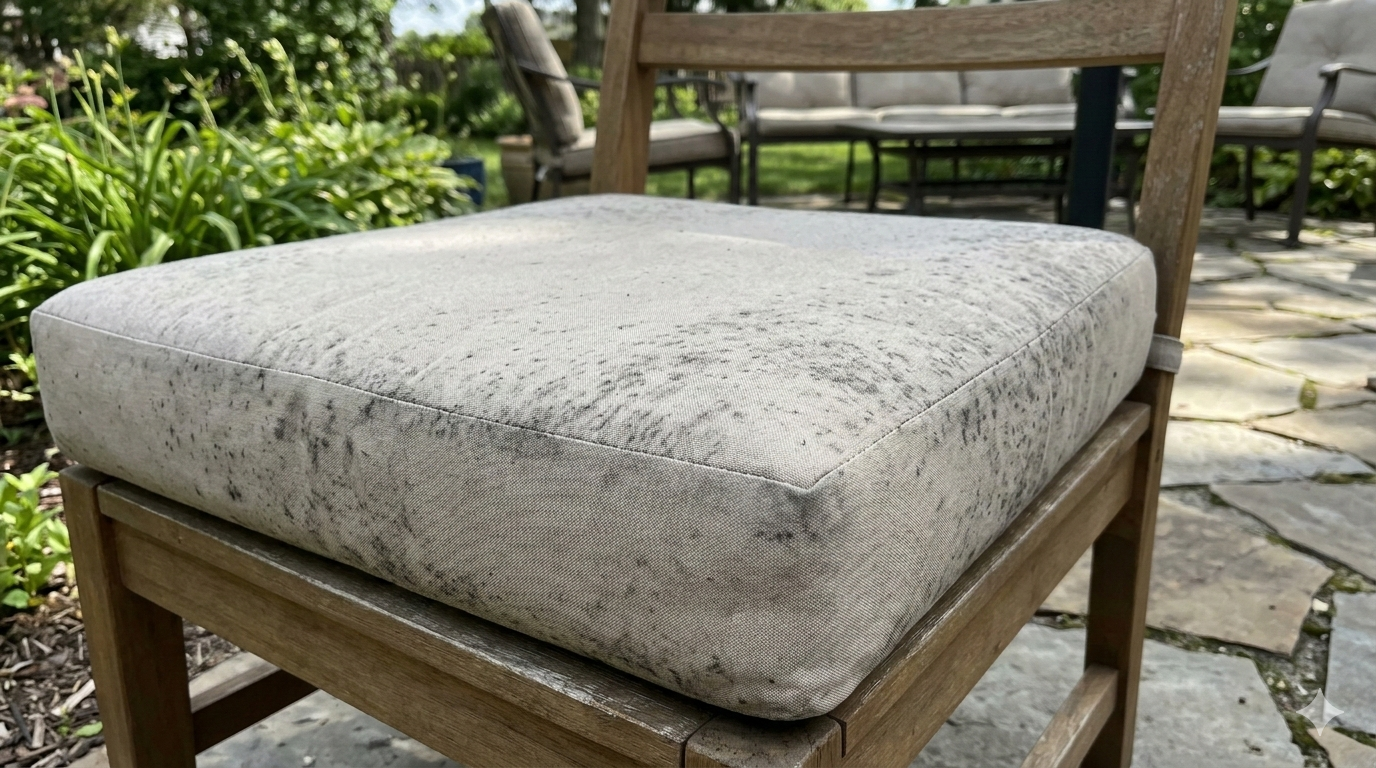
Cushion Mildew Guide
Step-by-step mildew removal for outdoor cushions, plus prevention habits and fabric choices that help. Everything you need with common household supplies.
Read the GuideWhich Material Combination Is Right?
Answer a few quick questions to narrow down the best outdoor materials for your space.Our Picks
Brands to Explore
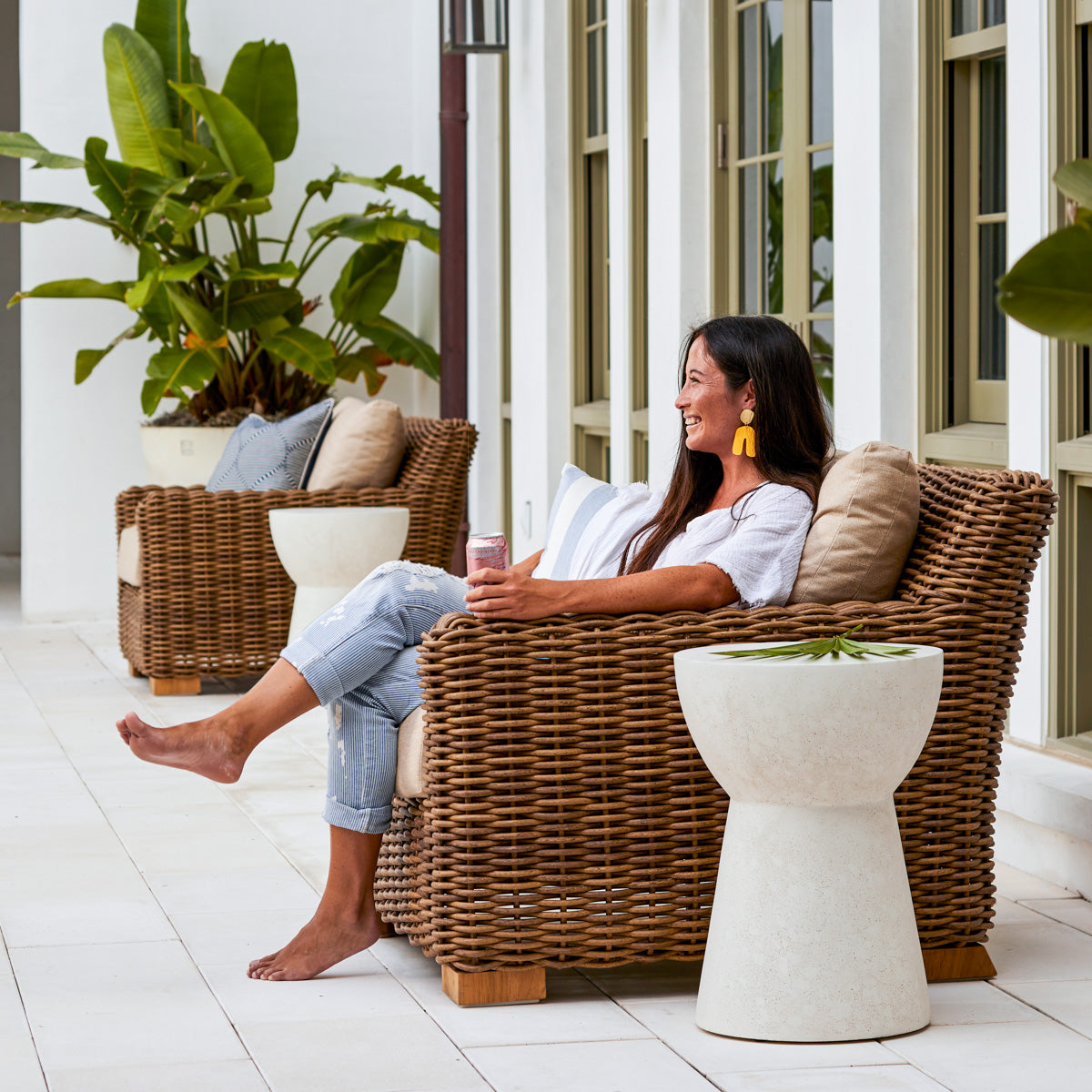
Summer Classics
A materials-first approach to outdoor furniture — triple-layer architectural finishes on wrought and cast aluminum, N-Dura™ resin wicker and wood with UV inhibitors built in (not surface-coated), Dream Cushion™ seats engineered to stay outdoors, and 80%+ exclusive Colores fabric patterns in Sunbrella®.
Best for: outdoor lounge and dining, coastal or humid climates, buyers who want premium materials with low ongoing maintenance.
Shop Summer Classics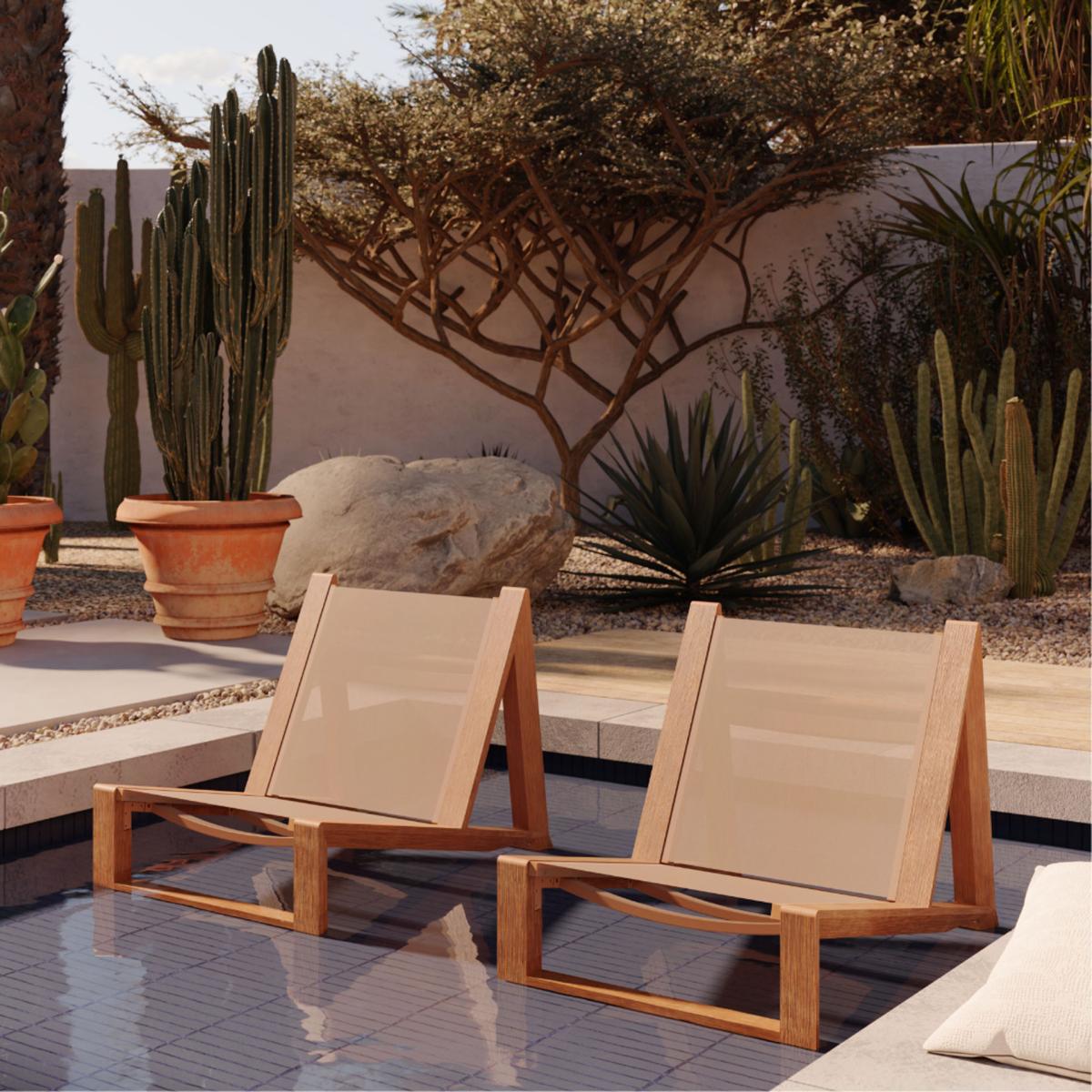
Woodard
American outdoor heritage with metal and woven expertise. Iron and aluminum products handcrafted and assembled in the USA, with HDPE fibers hand-woven over painted powder-coated aluminum frames. If you love classic metal outdoor furniture, Woodard is a cornerstone brand.
Best for: outdoor metal seating, heritage outdoor looks, custom finish + fabric outdoor programs.
woodard-furniture.com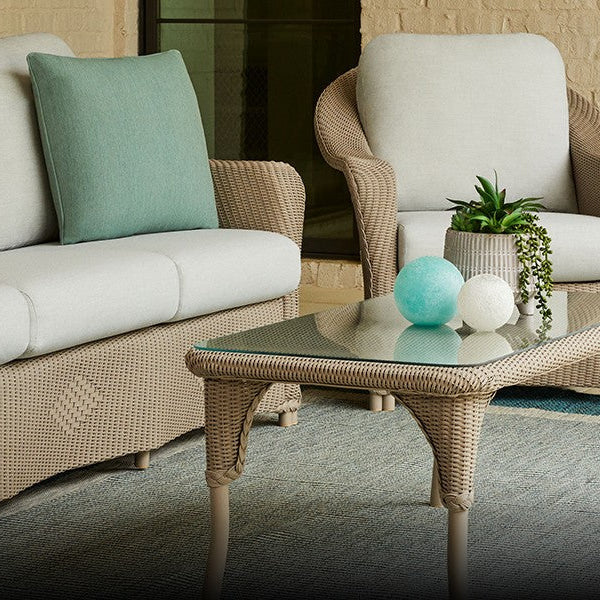
Lloyd Flanders
Rooted in a 1906 Michigan weaving legacy—Lloyd Flanders is the original Lloyd Loom wicker brand, still made in America at the same facility where it all started.
Their patented loom process produces tightly woven, all-weather wicker that's lighter and more consistent than hand-woven alternatives, with 20+ finish options and
100+ fabric choices.
Best for: all-weather wicker seating and dining, buyers who value American-made craftsmanship, covered or open-air patios where classic woven texture is the look.
lloydflanders.comWhat outdoor furniture materials hold up best in humid or sunny climates?
Powder-coated aluminum, quality resin wicker, and high-grade teak are common ‘long-term’ choices—each with different upkeep.
What to Know
- Powder-coated aluminum: low maintenance; great for humidity and coastal air.
- Resin wicker: good when UV inhibitors are built in; avoid cheap brittle weave.
- Teak: beautiful and durable; will weather to gray unless maintained.
- Cushions: performance outdoor fabrics matter as much as frames; store or cover cushions when possible.
Braden’s Take: Tell us about your outdoor space—covered or uncovered, sun exposure, proximity to trees—and we’ll recommend the frame and finish combination that handles your specific conditions best.
Brands to explore: Summer Classics, Woodard
How do I maintain outdoor furniture so it lasts?
Treat outdoor like a ‘material system’: frame + finish + fabric + storage habits.
What to Know
- Rinse pollen/salt periodically; abrasive dirt is what chews up finishes.
- Use manufacturer-approved cleaners; avoid strong bleach mixes unless specified.
- Store cushions or use breathable covers during long wet seasons.
- Tighten hardware annually and check glides/feet to prevent wobble.
Braden’s Take: A fall and spring routine—rinse, inspect, tighten, cover—takes 30 minutes and adds years to your investment. Ask us for a care guide specific to your collection when you purchase.
How long does quality outdoor furniture last in Tennessee weather?
With quality materials and basic seasonal care, 10–20+ years is realistic for premium outdoor furniture—even in our humid summers and variable winters.
What to Know
- Powder-coated aluminum frames hold up extremely well in Tennessee’s humidity. Rust isn’t a concern; finish care is.
- Quality resin wicker (HDPE fibers) with UV inhibitors typically lasts 10–15 years without significant fade or cracking.
- Teak will last decades structurally. The color question is whether you oil it (warm honey tone) or let it weather (silver-gray).
- Cushion fabrics are the shortest-lived component. Solution-dyed acrylics last 5–8+ years with proper care; store cushions in winter to extend that.
Braden’s Take: East Tennessee’s climate is tough on cheap outdoor furniture but fair to quality materials. We’ll help you pick pieces that match your patio setup and maintenance willingness.
Brands to explore: Summer Classics, Woodard
What’s the difference between resin wicker and resin wood?
Both are engineered outdoor materials with UV inhibitors built into the fiber, but they serve different roles.
What to Know
- Resin wicker is woven HDPE fiber — flexible strands hand-woven over an aluminum frame to create textured seating surfaces. It mimics the look of natural wicker or rattan.
- Resin wood (like N-Dura™) is a solid, rigid material molded to look and feel like natural teak. It’s used for structural elements — table bases, chair frames, accent pieces — where you want the warmth of wood without the maintenance.
- Both are rated for coastal environments, resist fading, and clean with soap and water. The choice is aesthetic: woven texture vs. wood grain.
Braden’s Take: Many collections mix both — resin wicker seating around a resin wood dining table, for example. It’s not either/or.
Brands to explore: Summer Classics
Do I need cushions, or is sling/woven seating enough?
It depends on how long you sit and what you prioritize.
What to Know
- Sling and woven seating (Batyline® sling, olefin rope, Sunbrella® strap) are comfortable for dining and casual lounging. They dry instantly, never need storing, and eliminate fabric maintenance entirely.
- Cushioned seating is more comfortable for extended lounging — reading, napping, long conversations. Quick-dry foam and Dream Cushion™ construction have largely solved the old problems of waterlogged, mildewed outdoor cushions.
- A practical approach: sling or woven dining chairs (you’re sitting for an hour, not four) and cushioned deep seating for the lounge area where comfort is king.
Braden’s Take: If you dread the cushion-storage routine, modern sling and rope seating is genuinely comfortable — not the rigid mesh of a decade ago. Come sit in both and decide with your back, not a spec sheet.
Ready for Your Outdoor Space?
Bring photos of your patio or deck and tell us about your sun, shade, and weather exposure. We’ll recommend materials that handle East Tennessee’s seasons—and help you plan a layout that works for how you actually entertain outdoors.

Est in 1956
With nearly seven decades of experience, we’ve built our name on craftsmanship, care, and a deep understanding of what makes a house feel like home.

Designed for Life
We choose every piece for its lasting quality, timeless style, and ability to bring comfort and character to everyday living.

People first, always
From the way we design to the way we serve, we put people at the heart of everything we do.